By Nutriworld | Dt. Dipanwita Saha
Imagine someone strolling into a health food store on a pretty sunny morning in Kolkata, seeking out remedies to manage diabetes. While perusing the shelves, he came across two popular artificial sweeteners: stevia and monk fruit. He grabbed a packet of stevia — package price:- 150 rupees for 100 grams — and read the label. A curious type 2 diabetic who was also managing the condition approached him about why he’d chosen that one. “Stevia is fine,” she responded. It is not manufactured and does not raise blood sugar levels.” Monk fruit sweetener is even better.” It is “150-200 times sweeter than sugar and contains 0 calories.” “But isn’t stevia sweeter than monk fruit?” the first shopper inquired. The other shopper answered, “Well Monk Fruit is sweeter. I have been using it for months and I think this way is fine.” “I’ve heard Monk Fruit sweetener can be tough on your stomach. Is that true?” “I haven’t had any problems,” the fellow shopper said. As they left attendees exchanged phone numbers, and made plans to meet up with each other to share what their experiences were like from their own sweetener.
As this little story illustrates, people’s perceptions are not always correct about sweeteners. Myths and misinformation are flying about Stevia and Monk Fruit sweeteners, leaving a lot of folks wondering which is better? Some people think that Stevia is the sweetest, and others believe Monk Fruit causes side effects. The truth is, as we will consider here, that they each have very distinctive advantages and a distinct place when it comes to caring for diabetes. This review discusses the history of sweeteners, their health benefits and safety profiles, as well as possible therapeutic applications with a look at other issues, such as acceptance in various parts of the world and market potential. Which is the best natural replacement for sugar?
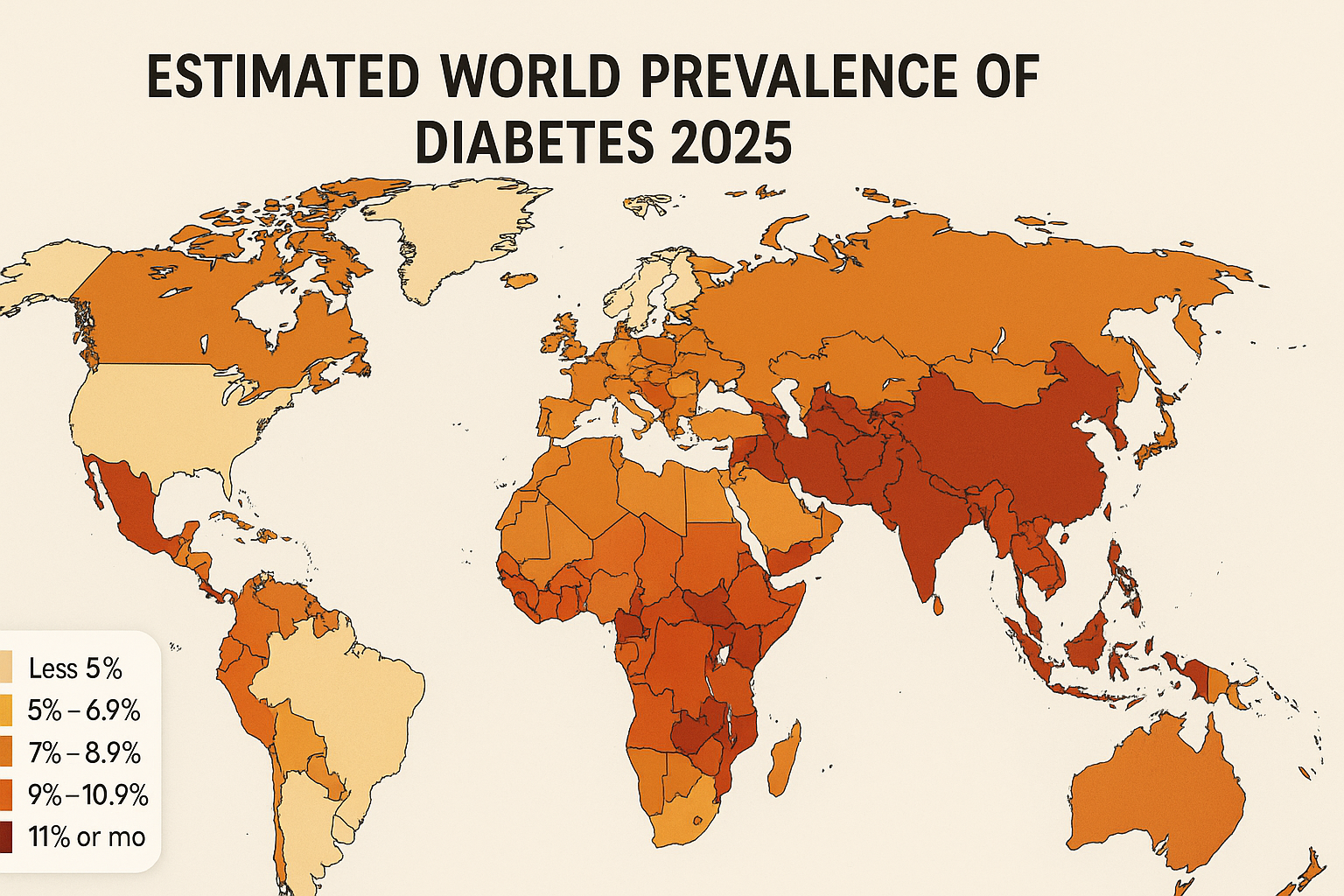
As the number of diabetes patients continues to rise globally, it’s essential to acknowledge the concerning trends and statistics surrounding this condition.
Global Diabetes Snapshot
- Prevalence: 1 in every 9 adults (11.1%) aged 20–79 is living with diabetes.
- Current Burden: 589 million adults worldwide are affected today.
- Future Projection: By 2050, the number is expected to rise to a staggering 853 million.
So many of us are now familiar with the term Diabetes , let’s revisit its definition: Diabetes is a condition where your body can’t control blood sugar levels due to less production of insulin, leading to high blood glucose.
Now, let’s delve deeper: To manage this condition, individuals often rely on Artificial Sweeteners, which serve as low-calorie substitutes for sugar. These alternatives have gained popularity among those seeking to minimize sugar consumption without sacrificing taste.
Tracing the origins, uses, and two timeless sweeteners
1› Monk Fruit (Siraitia grosvenorii)
- Origin: Native to Southern China
- History: Cultivated by Buddhist monks centuries ago
- Traditional use: Remedy for coughs, colds, and digestive issues in Chinese medicine
- Sweetness source: Mogrosides – much sweeter than sugar, zero calories
2> Stevia (Stevia rebaudiana)
- Origin: Native to South America
- History: Used by indigenous people to sweeten teas and medicines
- Sweetness source: Steviol glycosides (mainly stevioside & rebaudioside)
- Market presence: Entered global market earlier than monk fruit, now one of the most popular natural sweeteners
Head-to-Head Comparison: Stevia vs. Monk Fruit
Both Stevia and Monk Fruit are zero-calorie sweeteners, making them attractive options for people with diabetes. However, they have some key differences:
- Sweetness Showdown :- Monk Fruit is 150–200 times sweeter than sugar, while Stevia packs even more punch at 200–300 times sweeter. This means you only need a tiny pinch to replace a spoonful of sugar. But sometimes, Stevia’s sweetness can come with a slightly bitter aftertaste, while Monk Fruit tends to taste more like sugar itself.
- Glycaemic Index Face-Off :- Stevia has an almost negligible effect on blood sugar levels, making it a safe pick for people with diabetes. Monk Fruit, while having a slightly higher glycaemic index, is still far lower than regular sugar and won’t cause the same dramatic spikes. Think of it as both being “blood sugar–friendly,” with Stevia being just a touch more neutral.
- Digestive Dilemmas :- Some people may experience bloating, gas, or discomfort when consuming Stevia in larger amounts, as the body processes it differently. Monk Fruit, on the other hand, is usually considered gentler on the stomach, making it the easier option if you’re sensitive to digestive upsets.
Debunking Common Myths: The Truth About Stevia and Monk Fruit Sweeteners
Myth 1: Stevia is Not Natural
Busted! Stevia is derived from the leaves of the Stevia rebaudiana plant and is considered a natural sweetener.
Myth 2: Monk Fruit Sweetener is Artificial
Busted! Monk Fruit sweetener is made from a type of melon called Siraitia grosvenorii, which is native to China. The sweetness comes from a compound called mogroside, which is extracted from the fruit through a natural process.
Myth 3: Stevia and Monk Fruit Sweeteners are Not Suitable for Diabetes
Busted! Both Stevia and Monk Fruit sweeteners have a negligible effect on blood sugar levels, making them suitable for people with diabetes.
Myth 4: Stevia and Monk Fruit Sweeteners are Not Safe
Busted! Both Stevia and Monk Fruit sweeteners have been extensively tested and are considered safe for consumption by regulatory agencies around the world.
Myth 5: Stevia and Monk Fruit Sweeteners Cause Digestive Issues
Busted! While some people may experience digestive issues with Stevia, this is not a universal experience. Monk Fruit sweetener is generally considered easier to digest.
The Verdict: Which One is Better for Blood Sugar Control?
While both Stevia and Monk Fruit can be used as natural sweeteners, the choice between them ultimately depends on individual preferences and needs. If you’re looking for a sweetener with a negligible effect on blood sugar levels, Stevia might be the better choice. However, if you prefer a sweeter option with a slightly higher glycaemic index, Monk Fruit could be the way to go.
That said, some people also choose based on taste and tolerance—Stevia can sometimes leave a mild aftertaste, while Monk Fruit is often closer to real sugar in flavour. It’s not really about which one is “best,” but rather which one suits your lifestyle, health goals, and comfort the most.
3 Tips for Sweet Success: Using Stevia and Monk Fruit Responsibly
Smart Tips for Using Stevia & Monk Fruit
1. Start Small :
Both Stevia and Monk Fruit are way sweeter than sugar, so a little goes a long way. Begin with a tiny amount and adjust gradually until you find your perfect sweetness.
2. Choose Pure Products :
Look for labels that say 100% pure extract. Many commercial sweeteners are mixed with fillers or artificial ingredients that may reduce the health benefits.
3. Monitor Your Levels :
Everyone’s body responds differently. Keep an eye on your blood sugar levels tomake sure your chosen sweetener supports your glucose control.
Making an Informed Choice: Stevia or Monk Fruit for Better Blood Sugar Control
When it comes to managing blood sugar levels, both Stevia and Monk Fruit sweeteners are great options. Stevia has a slight edge due to its zero glycaemic index and potential to improve insulin sensitivity. Monk Fruit is also a good choice, being calorie-free and carb-free. Ultimately, the decision comes down to personal preference and individual needs. Always consult with a healthcare professional before making any significant changes to your diet. Both sweeteners are natural and safe, so you can’t go wrong either way!
BY, Monoswini Banerjee , MSc. Nutrition….