 Because food is not a cure—but it is powerful care.
Every year on World Cancer Day (4 February), the global health community comes together with one shared goal: to reduce the burden of cancer and improve quality of life for those affected.
Cancer is no longer a rare disease. In India alone, cases are rising due to lifestyle changes, environmental exposure, stress, and dietary patterns. While medical treatment remains central, nutrition plays a critical, often underestimated role—before, during, and after cancer.
As dietitians, we don’t promise miracles.
But we do offer evidence-based nutrition that supports prevention, treatment tolerance, recovery, and dignity.
This guide breaks down how nutrition fits into cancer prevention and support—clearly, practically, and compassionately.
Understanding Cancer Through a Nutrition Lens
Cancer develops when abnormal cells grow uncontrollably, influenced by:
- Genetics
- Environmental toxins
- Chronic inflammation
- Hormonal imbalance
- Insulin resistance
- Nutritional deficiencies
According to global research, 30–40% of cancers are linked to modifiable lifestyle factors, especially diet, physical activity, and body weight.
👉 This means what we eat consistently matters—long before diagnosis.
Nutrition for Cancer Prevention: The Foundation
Cancer prevention is not about one “superfood”.
It’s about daily dietary patterns that reduce inflammation, oxidative stress, and metabolic dysfunction.
1. Build an Anti-Inflammatory Plate
Chronic inflammation fuels cancer progression. A preventive diet focuses on:
- Vegetables (½ plate daily)
Cruciferous vegetables (broccoli, cabbage, cauliflower), leafy greens, gourds, carrots - Fruits (2–3 portions/day)
Berries, citrus, papaya, pomegranate, apple - Whole grains & millets
Jowar, bajra, ragi, oats, brown rice (portion-controlled) - Healthy fats
Nuts, seeds, cold-pressed oils, A2 ghee (moderation)
2. Reduce Ultra-Processed Foods
Strong evidence links frequent intake of:
- Packaged snacks
- Sugary beverages
- Refined flour products
- Processed meats
with increased cancer risk.
👉 Prevention doesn’t require perfection—it requires consistency.
Micronutrients That Matter in Cancer Prevention
Deficiencies silently weaken the body’s defence mechanisms.
Key nutrients to watch:
- Vitamin D – immune regulation, cell growth control
- Folate – DNA repair
- Zinc & Selenium – antioxidant defence
- Omega-3 fatty acids – inflammation control
💡 Regular screening and food-first correction are essential.
Nutrition During Cancer Treatment: Support, Not Restriction
Cancer treatment (chemotherapy, radiation, surgery) increases nutritional needs while reducing appetite and absorption.
Common Challenges
- Loss of appetite
- Nausea, vomiting
- Taste changes
- Mouth sores
- Fatigue
- Weight loss or muscle wasting
Dietitian’s Focus During Treatment
- Prevent malnutrition
- Preserve lean muscle
- Maintain immunity
- Reduce treatment side effects
- Support gut health
Key Nutrition Strategies
- Small, frequent meals
- Soft, easy-to-digest foods
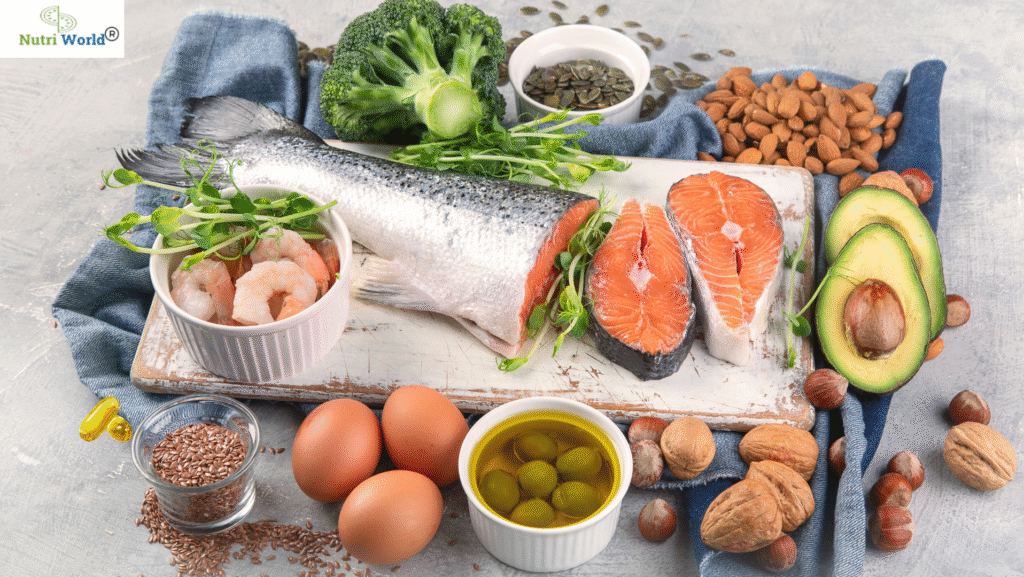
- High-protein options (dal, curd, paneer, eggs, fish, soy as tolerated)
- Adequate fluids and electrolytes
- Personalised meal timing around treatment cycles
🚫 Extreme detoxes, fasting, or restrictive “cancer diets” during treatment can be harmful.
Protein: The Unsung Hero in Cancer Care
Protein needs are significantly higher during cancer treatment.
Why protein matters:
- Prevents muscle loss
- Supports immune cells
- Helps wound healing
- Improves treatment tolerance
Indian protein sources:
- Dal, legumes (pressure-cooked)
- Paneer, curd
- Eggs
- Fish, chicken (as per tolerance)
- Nuts & seeds
- Medical nutrition supplements (when needed)
Gut Health, Immunity & Cancer
The gut microbiome influences:
- InflammationImmunity
- Treatment response
- Side-effect severity
Dietary support includes:
- Probiotic-rich foods (curd, fermented foods if tolerated)
- Prebiotic fibre (vegetables, oats, seeds)
- Avoiding unnecessary antibiotics and harsh foods
Life After Cancer: Nutrition for Recovery & Recurrence Prevention
Survivorship nutrition focuses on:
- Restoring strength
- Reducing recurrence risk
- Managing long-term side effects
- Supporting mental health
Key principles:
- Balanced, sustainable eating
- Regular physical activity
- Weight management
- Adequate sleep
- Stress reduction
💬 Survivors don’t need fear-based food rules—they need confidence, nourishment, and flexibility.
Cancer Myths Dietitians Must Bust
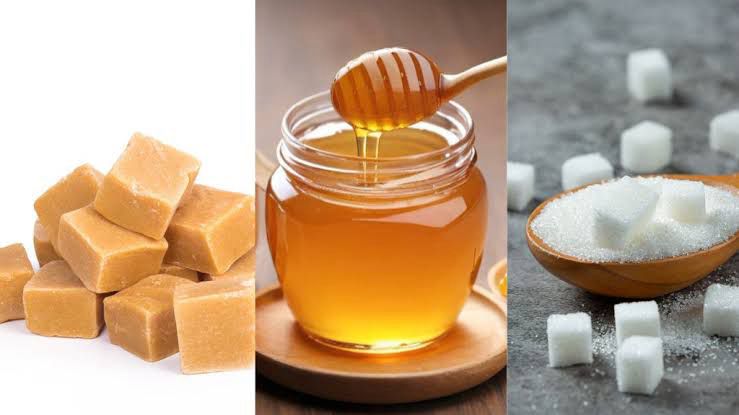
❌ “Sugar feeds cancer—stop all carbs”
✔ Balanced carbohydrates are essential; excess refined sugar is the concern.
❌ “Juices and detox diets can cure cancer”
✔ No diet cures cancer. Nutrition supports treatment—it doesn’t replace it.
❌ “Supplements are always better than food”
✔ Supplements are tools, not shortcuts.
The Dietitian’s Role in Cancer Care
A dietitian provides:
- Personalised nutrition plans
- Side-effect management
- Evidence-based guidance
- Emotional reassurance
- Long-term lifestyle support
👉 Cancer nutrition is not generic. It changes with:
- Cancer type
- Treatment phase
- Symptoms
- Cultural food habits
- Emotional state
World Cancer Day 2026: The Bigger Message
This year’s message goes beyond awareness.
It reminds us that:
- Prevention starts at home
- Early nutrition intervention saves strength
- Food is not fear—it is support
- Compassion is part of care
As dietitians, our role is not just to plan meals—but to stand beside patients and families when food becomes confusing, emotional, and overwhelming.
Frequently Asked Questions (FAQs)
1. Can diet prevent cancer completely?
No. But a healthy diet significantly reduces risk and supports the body’s defence systems.
2. Is sugar completely banned for cancer patients?
No. Refined sugars should be limited, but balanced carbohydrates are necessary for energy.
3. Should cancer patients follow fasting or keto diets?
Only under strict medical supervision. These diets are not suitable for everyone and may increase malnutrition risk.
4. Are supplements mandatory during cancer treatment?
Not always. Supplements are used when food intake is insufficient or deficiencies are present.
5. What is the most important nutrient during cancer treatment?
Protein—along with adequate calories, fluids, and micronutrients.