
Low energy, frequent sickness, hair loss, and brain fog are becoming common—but they’re not normal. These subtle signs often point to hidden nutrient deficiencies widespread across India.
India remains alarmingly common due to poor dietary diversity, processed food intake, lifestyle stress, medical conditions, and improper absorption. The good news?
Most deficiencies are preventable and reversible with the right nutritional approach—combining balanced food choices with targeted, science-backed supplementation such as Three65, designed to support modern nutritional gaps.
Let’s decode the symptoms, causes, and practical solutions to unlock your vital health.
What Are Nutrient Deficiencies?
Nutrient deficiencies occur when the body lacks essential micronutrients needed for growth, metabolism, immunity, and repair.
They develop quietly, often showing subtle signs that are easy to ignore until long-term health is affected.
Why Are Nutrient Deficiencies So Common in Indians?
Even traditional Indian diets, when not planned properly, can fall short. Some key reasons include:
- High intake of refined carbs (white rice, maida, sugar)
- Low protein consumption, especially in vegetarian diets
- Excessive tea/coffee, reducing mineral absorption
- Poor gut health and digestion
- Sedentary lifestyle or extreme dieting
- Increased needs during pregnancy, menopause, adolescence, and ageing
- Chronic conditions like diabetes, thyroid disorders, PCOS, and kidney disease
Signs & Solutions of Nutrient Deficiency
1. Iron Deficiency (Anaemia)
Common symptoms:
- Persistent fatigue and weakness
- Pale skin, dark circles
- Breathlessness, dizziness
- Hair fall and brittle nails
- Frequent infections
Why does it happen:
Low intake of iron-rich foods, poor absorption, heavy menstrual bleeding, pregnancy, or chronic illness.
Nutrition solutions:
- Include green leafy vegetables (spinach, moringa)
- Beetroot, dates, raisins, garden cress seeds (halim)
- Lentils, chickpeas, soy, jaggery (in moderation)
- Pair iron with vitamin C (lemon, amla, citrus fruits)
- Avoid tea/coffee near meals
2. Vitamin D Deficiency
Often called the “silent deficiency,” vitamin D deficiency is extremely common in India—even in sunny regions.
Common symptoms:
- Bone and joint pain
- Muscle weakness
- Frequent colds and infections
- Mood swings, low immunity
Why does it happen:
Limited sun exposure, sunscreen overuse, indoor lifestyle, obesity, and poor dietary sources.
Nutrition solutions:
- Daily sun exposure (15–20 minutes)
- Include egg yolk, mushrooms, fortified milk
- Combine vitamin D with calcium for better absorption
- Supplement only under professional guidance
3. Vitamin B12 Deficiency
More prevalent among vegetarians, the elderly, and people with gut issues.
Common symptoms:
- Tingling or numbness in hands and feet
- Memory issues, brain fog
- Fatigue and weakness
- Mood changes or depression
Why does it happen:
Low intake of animal foods or poor absorption.
Nutrition solutions:
- Milk, curd, paneer, eggs
- Fortified cereals or nutritional yeast
- Address gut health issues
- Supplementation if required (as advised)
4. Calcium Deficiency
Common symptoms:
- Weak bones and teeth
- Muscle cramps
- Joint pain
- Increased fracture risk
Why does it happen:
Low dairy intake, vitamin D deficiency, excess salt, and cola drinks.
Nutrition solutions:
- Milk, curd, paneer, sesame seeds
- Ragi, almonds, tofu
- Adequate vitamin D levels
- Limit carbonated drinks
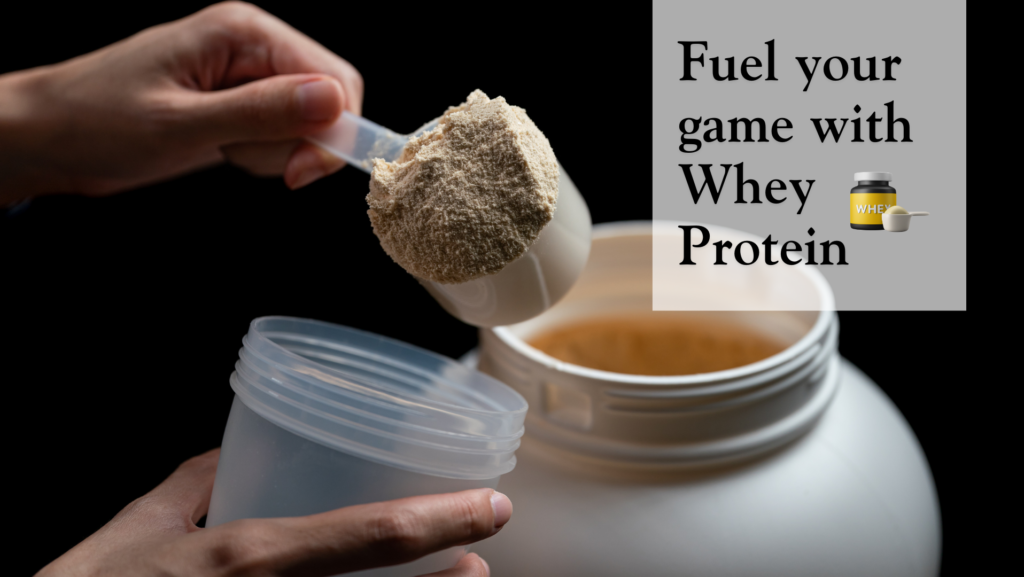
5. Protein Deficiency
A major but underrated issue in Indian diets.
Common symptoms:
- Muscle loss and weakness
- Poor immunity
- Slow wound healing
- Hair thinning
- Weight plateau despite dieting
Why does it happen:
Carb-heavy meals, fear of calories, lack of protein awareness.
Nutrition solutions:
- Include protein in every meal
- Dal, legumes, paneer, tofu, eggs
- Nuts, seeds, Greek yoghurt
- Adjust intake based on age, activity, and health condition
6. Magnesium & Zinc Deficiency
Common symptoms:
- Muscle cramps
- Poor sleep
- Low immunity
- Delayed healing
- Hormonal imbalance
Nutrition solutions:
- Pumpkin seeds, sunflower seeds
- Whole grains, nuts
- Bananas, dark chocolate (in moderation)
- Reduce stress for better absorption
Can Diet Alone Fix Micronutrient Deficiencies?
A balanced, diverse diet is always the foundation. However, modern realities make it challenging to meet specific micronutrient needs through food alone:
- Soil depletion reduces mineral content of produce
- Chronic stress increases micronutrient loss
- Gut health issues impair absorption
- Busy lifestyles lead to inconsistent meals
This is where targeted supplementation becomes a supportive tool—not as a replacement for food, but as a bridge between dietary intake and physiological needs.
The Role of Hair-Specific Supplementation
Generic multivitamins often fall short for hair health. Hair needs condition-specific, bioavailable nutrients that support follicles, scalp balance, and keratin production at a cellular level.
Three65 Hair Nourish Pro: Targeted Hair Nutrition
Three65 Hair Nourish Pro is formulated to support hair health from within by addressing key micronutrient gaps that commonly affect hair growth and strength.
It supports:
- Reduced hair fall
- Stronger hair follicles
- Improved hair density and texture
- Scalp micronutrient balance
Key actives include:
L-Cysteine and L-Tyrosine for keratin and melanin, Pumpkin Seed for follicle strength, Bamboo Extract for silica, and Zinc & Selenium for healthy hair growth cycles, Black sesame seed extract for pigmentation.
When combined with a balanced diet and healthy lifestyle, Three65 Hair Nourish Pro acts as a nutritional bridge—supporting hair recovery in a way food alone often cannot.
Preventing Micronutrient Deficiencies: A Combined Approach
True prevention is not about choosing between food or supplements—it’s about using both intelligently.
- Prioritise dietary diversity and protein intake
- Support gut health for better absorption
- Manage stress to reduce nutrient depletion
- Use targeted supplementation like Three65 when specific needs exist
- Monitor progress through symptoms and professional guidance
Final Thoughts: Food Is Information, Not Just Calories
Micronutrient deficiencies reflect the gap between modern life and biological needs. Addressing them early is not vanity—it is preventive healthcare.
Hair health is often the first signal your body sends when nutrition falls short. Listening to that signal and supporting the body with smart, targeted supplementation such as Three65 Hair Nourish Pro can help restore balance, vitality, and confidence. Food remains the foundation. Supplementation is the support.
Together—with Three65—they create sustainable health.
FAQs
Q1. Why is supplementation like Three65 needed if I eat home-cooked food?
Even with home-cooked meals, modern factors such as soil nutrient depletion, stress, poor absorption, and higher nutritional demands can lead to micronutrient gaps. Three65 helps bridge these gaps by providing targeted nutrients that may be difficult to obtain consistently from food alone.
Q2. Who can benefit from Three65 supplementation?
Three65 is beneficial for individuals experiencing hair fall, thinning, poor hair quality, frequent fatigue, or signs of micronutrient deficiency—especially those under stress, with busy lifestyles, restrictive diets, or increased nutritional needs.
Q3. Is Three65 a replacement for food or medical treatment?
No. Three65 is designed to support nutrition, not replace meals or medical care. It works best when combined with a balanced diet, healthy lifestyle, and professional guidance.