



Grandma Was Right: The Hidden Nutrition Power of Baasi Roti and Rice

By Nutriworld | Dt. Dipanwita Saha

Why yesterday’s food could be today’s smartest health hack

For years, most of us grew up hearing the same advice from our grandmothers:

Baasť rotť kha lo, sehat banegť.”

Raat ka chaawal mat phenkna… subah dahť ke saath khao.

And like always, grandma was right—long before nutrition science caught up.

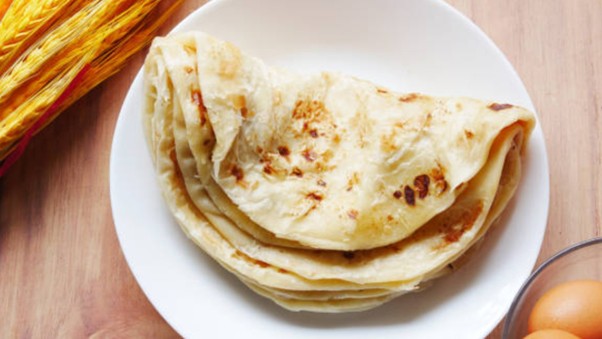
In today’s world, where “fresh only” is a trend and anything “leftover” is seen as unhealthy, baasi roti (day-old roti) and baasi chawal (day-old rice) are making a surprising comeback. New research shows these humble leftovers carry impressive health benefits—especially for gut health, weight management, blood sugar stability, and digestion.

Let’s uncover why these traditional foods were loved by generations, and why you may want to bring them back to your plate.

1. What Exactly Happens to Roti & Rice When They Become ‘Baasi’?

When roti or rice is cooked, their starch is soft and easily digestible. But when they cool down overnight, a magical transformation happens:

They form Resistant Starch

This is a special type of starch that:

  • Does not get digested in the small intestine
  • Acts like dietary fibre
  • Feeds good gut bacteria
  • Improves metabolic health

In short, your simple leftover food becomes a natural prebiotic—something modern gut-health supplements try to mimic.

2. The Science Behind Resistant Starch: Your Gut Loves It

When you eat baasi roti or baasi chawal, the resistant starch reaches your colon intact and becomes food for beneficial bacteria like Bifidobacteria and Lactobacillus.

This leads to:

What your dadi called “pet saaf rahega”, science now calls improved microbiome diversity.

3. Helps Manage Blood Sugar Spikes

If you have prediabetes or borderline blood sugar, this fact will comfort you:

Resistant starch lowers the glycemic index (GI) of rice and roti. This means:

  • Slower release of glucose
  • Reduced insulin spikes
  • Better energy without the sugar crash
  • More stable appetite

People often blame rice for weight gain or high sugars. But cooled, baasi rice acts differently—it becomes gentler for your blood sugar than freshly cooked hot rice.

4. Supports Weight Loss Naturally

Trying to lose weight but love carbs? Here’s the good news:

✨ Resistant starch increases satiety hormones

✨ Keeps you full for longer

✨ Reduces unnecessary snacking

✨ Helps in fat oxidation (fat burning)

This is exactly why traditional farmers could eat baasi roti with curd and still maintain stamina for long work hours.

5. Cooling Effect on the Body

Ayurveda always praised leftover foods for their sheeta guna (cooling property).

That’s why dishes like:

  • Baasi roti with dahi
  • Basi chawal with chaas
  • Panta bhaat (fermented rice in Bengal)
  • Pazhayadhu saadham (Tamil Nadu)

…were considered ideal in hot climates. This cooling effect:

  • Prevents heat strokes
  • Maintains hydration
  • Balances Pitt
  • Helps in acidity and acid reflux

Your grandma didn’t need a scientific journal—she had generations of wisdom behind her.

6. Improves Digestion and Prevents Constipation

Thanks to its fibre-like effect, baasi roti/rice moves smoothly through the intestines.

Regular consumption can:

  • Improve bowel movement
  • Reduce constipation
  • Soothe IBS (for many people)
  • Prevent overeating (because of slow digestion)

It is a gentle, natural digestive aid—no fancy supplements needed.

7. A Budget-Friendly, Zero-Waste Superfood

At a time when food prices are rising and sustainability is trending, leftovers are not just healthy—they are smart.

Benefits:

  • Saves money
  • Reduces food waste
  • Provides high-quality nutrition at zero extra cost

What was earlier considered “simple living” is now the core of modern sustainable eating.

8. How to Eat Baasi Roti & Rice the Healthy Way

They are healthy—but here are the best practices:

Store properly

Keep in an airtight container in the refrigerator.

Consume within 24 hours

More than a day can affect taste and safety.

Pair with probiotic-rich foods

  • Curd
  • Chaas
  • Buttermilk
  • Pickle (fermented)

The combination of probiotics + resistant starch creates a powerful synergy.

Avoid reheating at very high temperatures

Gentle warming is fine, but overheating can destroy resistant starch.

9. Traditional Dishes That Turn Your Leftovers Into Power Meals

Here are delicious Indian dishes made from baasi roti or rice:

🍚 Curd Rice (South India)

  •  fermented, cooling, gut-friendly

🍚 Panta Bhaat (Bengal)

  •  fermented overnight rice with mustard oil & onion

🍞 Baasi Roti Churma

  •  quick energy + fibre

🍞 Roti Poha

  •  from day-old rotis

🍚 Neeragaram

  •  rice + buttermilk + spices

🍚 Curd + Baasi Rice

  • classic cooling combo

These are not poverty meals—they are microbiome meals.

10. So, Should You Start Eating Baasi Roti & Rice?

Absolutely—if stored properly, baasi foods are not just safe, they are actually beneficial.

They help in:

The next time someone says leftovers are unhealthy, tell them even modern dietitians and researchers now recommend cooled, resistant-starch-rich foods.

Final Words: Trust Your Grandma’s Nutrition Wisdom

In an age of modern supplements and complex diets, the simplest, most affordable foods are still the most powerful.

Your grandmother’s tradition of eating baasi roti with dahi or baasi

chaawal with chaas was not guesswork— It was science woven into culture.

So yes, grandma was right.

Yesterday’s food can make today’s health stronger.

Best dietician dipanwita saha in kolkata - nutriworld

Hello! I'm Dietician Dipanwita Saha is the founder of Nutriworld and a dedicated clinical dietitian. I focus on helping individuals improve their health through personalized diet plans that are based on scientific principles. I believes that proper nutrition is crucial for healing and maintaining a balanced lifestyle, whether someone is recovering from an illness or managing a health condition.


Explore Our Courses:

Leave a Comment

Your email address will not be published. Required fields are marked *