 Walk into any supermarket today and you will find hundreds of foods that are ready to eat or need very little preparation. Biscuits, chips, instant noodles, sugary drinks, packaged cakes, sweetened cereals, and ready-to-eat meals are convenient, tasty, and readily available. Many of these foods are called ultra-processed foods (UPFs).
Research in recent years has increasingly linked high consumption of ultra-processed foods with obesity, type 2 diabetes and heart disease. A major 2024 review that brought together studies involving almost 9.9 million people found that higher ultra-processed food consumption was associated with several adverse health outcomes, particularly metabolic and cardiovascular problems.
What are ultra-processed foods?
Ultra-processed foods are more than simply foods that have been packaged, frozen or cooked.
They are generally industrial formulations made from several ingredients, often including substances used to improve taste, colour, texture, sweetness or shelf life.
Common examples include:
- Soft drinks and sugary beverages
- Packaged biscuits and cookies
- Chips and many packaged snacks
- Instant noodles
- Packaged cakes and pastries
- Some sweetened breakfast cereals
- Processed meat products
- Sweets and confectionery
- Many ready-to-eat or ready-to-heat meals
However, not every packaged food is ultra-processed. Plain oats, frozen vegetables, unsalted nuts and many basic packaged foods can be perfectly healthy.
Why can these foods make us eat more?
One concern is that ultra-processed foods are often extremely appealing. They may combine sweetness, saltiness, fat and strong flavours in ways that encourage us to keep eating. Many are also soft and require little chewing, so they can be eaten quickly.
For example, it may take several minutes to eat an orange, while a sweetened drink can be consumed in a few seconds. Similarly, it can be surprisingly easy to finish a large packet of chips or several biscuits without feeling that we have eaten very much.
This can make it easier to consume more calories than the body needs.
Ultra-processed foods and weight gain
When we regularly consume more calories than our body uses, the excess energy can be stored as body fat. Over time, this can contribute to overweight and obesity.
Ultra-processed foods may contribute because many are:
- Calorie-dense
- Highly palatable
- Easy to eat quickly
- Low in naturally occurring fibre
- High in added sugar, salt or saturated fat
- Convenient enough to eat frequently
The 2024 BMJ review found an association between greater consumption of ultra-processed foods and obesity.
However, it is important not to blame obesity on one type of food alone. Body weight is influenced by many factors, including genetics, physical activity, sleep, stress, medications, lifestyle and the overall diet.
What about type 2 diabetes?
Type 2 diabetes develops when the body becomes less effective at controlling blood sugar.
Excess body weight, particularly excess abdominal fat, is an important risk factor. A diet high in highly processed foods may make weight management more difficult and may also provide large amounts of added sugar and refined carbohydrates.
The 2024 BMJ review found a dose-response relationship between greater ultra-processed food consumption and type 2 diabetes.
This does not mean that eating one chocolate bar or one packet of biscuits causes diabetes. The concern is the effect of a dietary pattern over months and years.
Ultra-processed foods and heart health
Heart disease is another important concern.
Depending on the product, ultra-processed foods may provide large amounts of salt, added sugars and saturated fats while replacing healthier foods such as vegetables, fruits, pulses, whole grains, nuts and seeds.
Over time, an unhealthy dietary pattern can contribute to:
- Weight gain
- High blood pressure
- Abnormal cholesterol
- Poor blood sugar control
- Increased cardiovascular risk
The 2024 evidence review found an association between higher UPF consumption and cardiovascular disease and cardiovascular mortality.
However, not all ultra-processed foods appear to have the same health effects. This is an important area of ongoing research.
Is every ultra-processed food equally harmful?
Probably not.
“Ultra-processed food” covers a very large range of products. A sugary soft drink is very different from a fortified packaged food containing useful nutrients.
Some research suggests stronger associations with products such as sugary or artificially sweetened beverages and processed meats, while the evidence for some other categories is less consistent.
Therefore, the message should not be “fear every packaged food.”Instead, look at your overall eating pattern.
What should we eat more often?
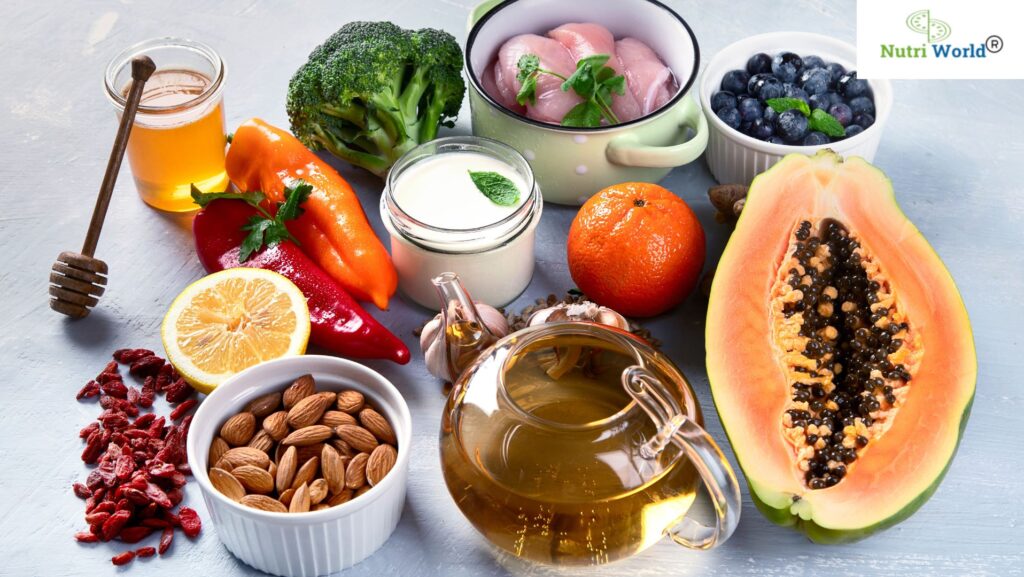
A simple approach is to make minimally processed foods the foundation of your diet.
Try to eat more:
- Fresh fruits and vegetables
- Dal, beans and other pulses
- Whole grains
- Nuts and seeds
- Eggs
- Milk and plain yoghurt
- Fish or fresh meat, if you eat them
- Traditional home-cooked meals
And try to reduce frequent consumption of:
- Sugary drinks
- Packaged sweets and biscuits
- Chips and similar snacks
- Instant noodles
- Processed meats
- Cakes and pastries
- Frequent ready-to-eat meals
You do not have to eliminate these foods.
For example, instead of drinking a soft drink every day, choose water or unsweetened tea more often. Instead of having packaged snacks every evening, try to incorporate fruit, nuts or roasted chana.
Can avoiding ultra-processed foods help with weight loss?
It may help, particularly if replacing these foods reduces overall calorie intake and improves diet quality.
A 2025 randomised trial compared minimally processed and ultra-processed diets in adults with overweight or obesity. Both diets resulted in weight loss over eight weeks, but weight loss was greater during the minimally processed diet. However, the study was relatively small, and researchers have continued to debate how much of the difference was specifically caused by food processing rather than other differences between the diets. So the evidence is encouraging, but research is still evolving.
What can you do when buying food?
One useful habit is to read the food label.
Look at:
- Added sugar
- Salt or sodium
- Saturated fat
- Fibre
- Calories
If a product contains a very long list of ingredients, including several flavourings, colours, sweeteners or other ingredients rarely used in home cooking, it may be highly processed.
Frequently Asked Questions (FAQ)
1. Are all processed foods unhealthy?
No. Processing itself is not necessarily bad. Foods such as pasteurised milk, frozen vegetables, plain yoghurt, canned beans and whole-grain bread can be nutritious. The main concern is frequent consumption of highly or ultra-processed foods, particularly those high in added sugar, salt and unhealthy fats.
2. Do I need to completely stop eating ultra-processed foods?
No. For most people, completely avoiding them is unnecessary and may be unrealistic. The goal is to make nutritious, minimally processed foods the main part of your diet and keep ultra-processed foods to a smaller, less frequent part.
3. Is eating biscuits or chips occasionally harmful?
Occasional consumption is unlikely to be the main problem. Health risks are more closely related to the overall dietary pattern and how frequently and how much of these foods you consume.
4. Are breakfast cereals and bread unhealthy?
Not necessarily. There are many different types of bread and breakfast cereals. Some are nutritious and provide whole grains and fibre, while others contain substantial amounts of added sugar, salt or refined ingredients.
Rather than avoiding an entire food category, check the label and choose healthier options.
5.What should I eat instead of ultra-processed snacks?
Simple alternatives include:
Fresh fruit
Nuts and seeds
Roasted chana
Plain yoghurt
Boiled eggs
Homemade snacks
Vegetable sticks
Traditional home-cooked foods
Contact Publish By Name – Rizwana Sayed